Weed Prevention & March Lawn Care Tips for Kansas Yards
As winter fades and spring approaches, March is a crucial time for preparing your Kansas lawn for the growing season. Proper weed prevention and early maintenance set the stage for a lush, healthy yard throughout the year. Here’s what you need to do this month to keep your lawn in top shape.

Apply Pre-Emergent Herbicide
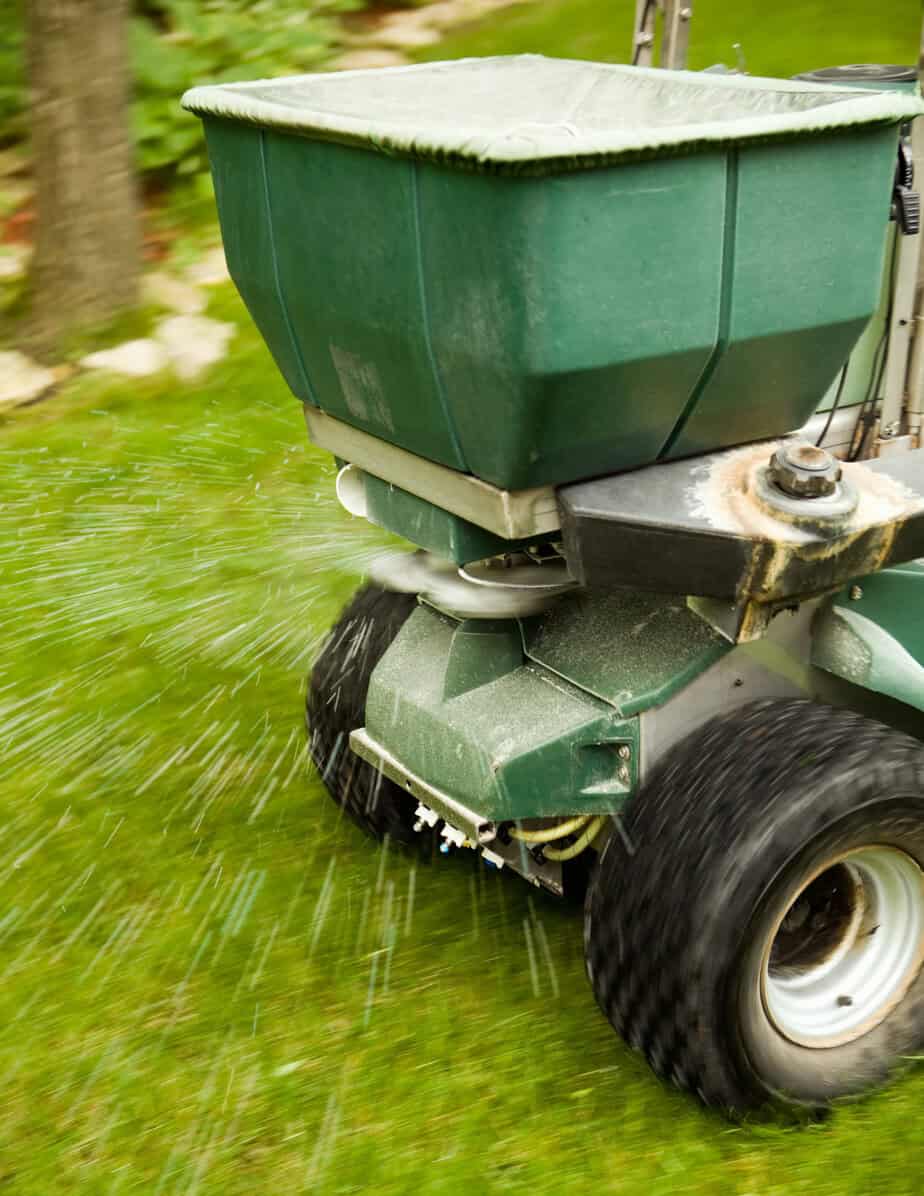
One of the most effective ways to prevent weeds in your lawn is by applying a pre-emergent herbicide. Pre-emergents target weed seeds before they germinate, stopping issues like crabgrass and foxtail before they take hold.
- Timing is Key: Apply pre-emergent when soil temperatures consistently reach 50-55°F, typically in early to mid-March in Kansas.
- Choose the Right Product: Use a high-quality pre-emergent designed for your turf type. Many products also include fertilizers to jumpstart lawn growth.
- Water it In: Light watering or rainfall after application ensures the herbicide soaks into the soil to be effective.
Overseed Bare Spots (If Necessary)
While pre-emergents stop weed growth, they also prevent grass seed from germinating. If your lawn has thin or bare areas, consider overseeding in late March with a cool-season grass like fescue. However, if you need both pre-emergent and new grass, focus on one or the other, or use a spot-treatment approach.
Early Fertilization (Use Caution)
Applying a balanced, slow-release fertilizer can help strengthen your lawn as it exits dormancy. However, avoid excessive nitrogen in early spring, as it can promote weak, fast growth that makes your lawn susceptible to disease and stress during summer heat.
Aeration and Dethatching (If Needed)
- Aeration: If your lawn has compacted soil from winter weather or heavy foot traffic, core aeration can improve air, water, and nutrient absorption.
- Dethatching: If you notice excessive thatch buildup (over ½ inch thick), dethatching can help promote better grass health.
Monitor for Early Weeds & Pests
Even with pre-emergent herbicides, some weeds may still appear. Spot-treat problem areas with post-emergent weed control products. Additionally, keep an eye out for early signs of lawn pests, such as grubs, which can cause damage as the weather warms.
Mowing Preparation
- Sharpen Mower Blades: Dull blades tear grass instead of cutting it cleanly, leading to increased stress and disease risk.
- Adjust Mowing Height: Keep grass at an optimal height—around 3 to 4 inches for fescue and bluegrass lawns—to encourage deep root growth and prevent weed invasion.
- Check Equipment: Ensure your mower and other lawn tools are in good working condition before the growing season starts.
Mulch and Landscape Bed Maintenance
Weeds aren’t just a problem for lawns—they can quickly take over landscape beds as well. Apply a pre-emergent in flower beds and top off mulch to suppress weed growth while keeping soil moisture levels steady.

Final Thoughts
A proactive approach in March ensures a beautiful and resilient lawn through the seasons. Applying pre-emergent, fertilizing carefully, and preparing your mowing equipment can make a significant difference. If you need professional lawn care services, weed prevention treatments, or fertilization programs, Taussig Landscape LLC is here to help. Contact us today to get your yard in top shape for spring!