Fall armyworms may be small, but they can cause big problems for Kansas lawns, landscapes, and crops. These pests often arrive suddenly, feed aggressively, and can devastate turf or fields in just a few days if left alone. Understanding their life cycle, feeding habits, movement, and signs of damage is key to protecting your property.
What Are Fall Armyworms?
Despite their name, fall armyworms are not worms at all but caterpillars—the larval stage of a moth. They get their name from the way they move in large groups, or “armies,” consuming everything in their path.
In Kansas, they are considered a late-summer and early-fall pest, especially in lawns, athletic fields, pastures, and crops like corn, alfalfa, and wheat.
Life Cycle of the Fall Armyworm
The fall armyworm has a four-stage life cycle: egg, larva (caterpillar), pupa, and adult moth.
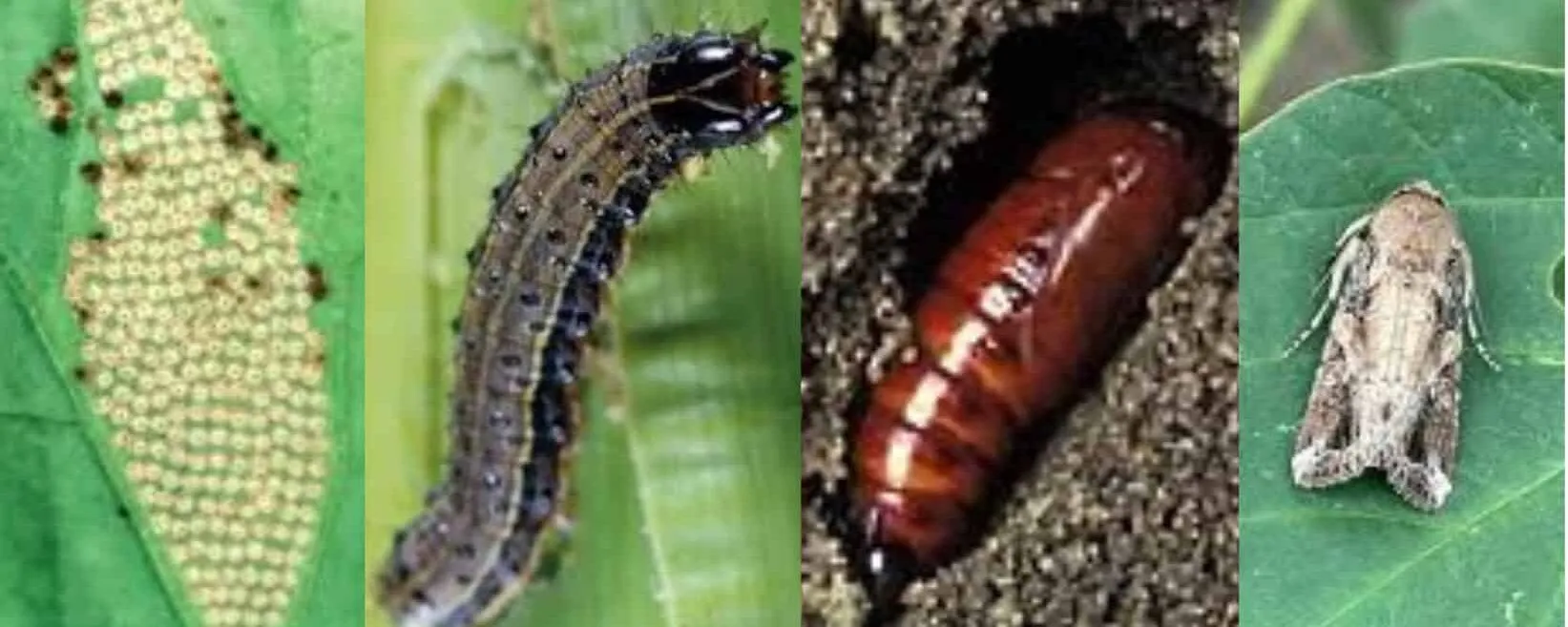
- Eggs: Female moths lay egg masses on grass blades, crop leaves, or other plants. Each mass can contain several hundred eggs. The eggs are small, round, and usually covered in fuzzy scales from the moth’s body for protection. They hatch within 2–4 days in warm weather.
- Larvae (Caterpillars): This is the damaging stage. Caterpillars go through six growth stages, known as instars, over 2–3 weeks. Young larvae are light green but darken to brown or black with stripes along their bodies as they mature. A distinct upside-down “Y” mark on the head helps identify them.
- Pupae: Once mature, caterpillars burrow into the soil to pupate. This stage lasts about 10–14 days, depending on temperatures.
- Adult Moths: Brownish-gray moths emerge, mate, and restart the cycle. Adults can travel hundreds of miles on wind currents, which is why infestations can appear suddenly across Kansas.
Because several generations can develop in Kansas once moths arrive, populations can spike quickly in late summer.
How Fall Armyworms Travel and Choose Yards
One of the reasons fall armyworms are so unpredictable is how they spread. Adult moths migrate into Kansas from southern states, riding wind currents until they land and lay eggs. Once caterpillars hatch, they move across the landscape in large groups, crawling from one yard, pasture, or field to the next.
Armyworms don’t truly “pick and choose” between lawns. While it often looks like they target the best-maintained grass, the truth is they’ll eat almost anything green. Thick, irrigated turf can be a prime target because it’s plentiful and nutritious—but when populations are high, even thin, dry, or weedy areas can be stripped bare. They don’t discriminate much when they’re hungry.
What Do Fall Armyworms Eat?
Fall armyworms are generalist feeders, meaning they consume a wide variety of plants. In Kansas, they are known to attack:
- Turfgrasses: Bermudagrass, ryegrass, fescue, bluegrass, and bentgrass are all susceptible. Bermudagrass tends to be hit especially hard.
- Crops: Corn, wheat, alfalfa, sorghum, soybeans, oats, and barley.
- Other Plants: They can also feed on vegetables, cover crops, and even some broadleaf weeds if grasses aren’t available.
This broad appetite is why infestations can be devastating for both homeowners and farmers. A single wave of caterpillars can wipe out a healthy lawn in days and leave pastures or crops looking like they’ve been mowed down.
Feeding Cycle, Speed, and Heat Effects
Fall armyworms are notorious for their rapid feeding.
- How Fast Damage Happens: Early feeding starts slowly, with tiny “windowpane” chewing. But once larvae reach the later growth stages, their appetite skyrockets. Entire lawns or crop fields can be stripped in as little as 24 hours, with widespread destruction often occurring within just 2–3 days. This is why infestations often look like they appeared overnight.
- Effect of Heat: Warm temperatures speed up their life cycle and feeding rate. In hot Kansas summers, eggs hatch faster, larvae grow quicker, and their activity increases. While they typically feed in the early morning and evening, extreme heat can drive them to feed at night or extend their activity into cooler parts of the day. Essentially, the hotter it is, the quicker they eat and the faster the damage adds up.
Why Infestations Vary
Not every year brings severe outbreaks, and not every yard or field will be hit the same. Fall armyworm populations are heavily influenced by:
- Weather patterns: Wind currents that carry moths into Kansas may be strong one year and weak the next.
- Moisture and turf health: Lush, irrigated lawns or crops are more attractive targets, but when populations surge, even stressed or patchy grass can be consumed.
- Population cycles: Armyworm numbers rise and fall naturally depending on conditions in the southern states where they overwinter.
- Timing: If infestations arrive late in the season, cooler weather may shorten their life cycle and reduce the number of generations.
This unpredictability is what makes fall armyworms such a frustrating pest: one year you may hear little about them, and the next, they’re wiping out entire neighborhoods of turf almost overnight.
When They Typically Arrive in Kansas
Fall armyworms cannot survive Kansas winters. Instead, they migrate north from Texas, Louisiana, and Mexico each year. In Kansas, the first significant infestations typically show up in late July through September, with outbreaks sometimes lasting into October if warm weather holds.
This timing makes late summer and early fall the most critical months for monitoring lawns, sports fields, and crops for signs of feeding.
How to Spot and Manage Fall Armyworms
- Scouting: Check your lawn or fields regularly in August and September. Look for caterpillars hiding in the grass canopy and watch for thinning or chewed blades.
- Soap Flush Test: Mix two tablespoons of dish soap in a gallon of water and pour it over a small patch of turf. Armyworms will quickly rise to the surface.
- Treatment:
- For light infestations, healthy turf can sometimes recover on its own.
- Heavy infestations may require insecticide applications. Target larvae while they are small for best results, as larger caterpillars are more difficult to control.
- Proper watering and fertilization help lawns recover after damage.
Final Thoughts
Fall armyworms are a recurring challenge for Kansas homeowners, farmers, and turf managers. Their fast life cycle, sudden outbreaks, and aggressive feeding mean they shouldn’t be ignored. They don’t pick favorites—they’ll eat almost anything green, from prized turf to pasture grass to food crops. In hot weather, their destruction only accelerates, and in some cases, entire lawns can be gone almost overnight.
Infestations vary from year to year, so regular monitoring in late summer and early fall is essential. Early intervention can save your lawn or field from serious damage, making vigilance your best defense against this fast-moving pest.